Tanzania is one of the top destinations in the world for a safari—and for good reason! This beautiful East African country is home to 22 national parks, covering around 15% of its total land area.
Among its many attractions, Serengeti National Park stands out as one of the most famous wildlife destinations on the planet. Not far away, the Ngorongoro Crater, often called the “eighth natural wonder of the world,” offers a breathtaking landscape teeming with wildlife.
With so much natural beauty and incredible safari experiences, it’s no surprise that you’re thinking about visiting this amazing country!
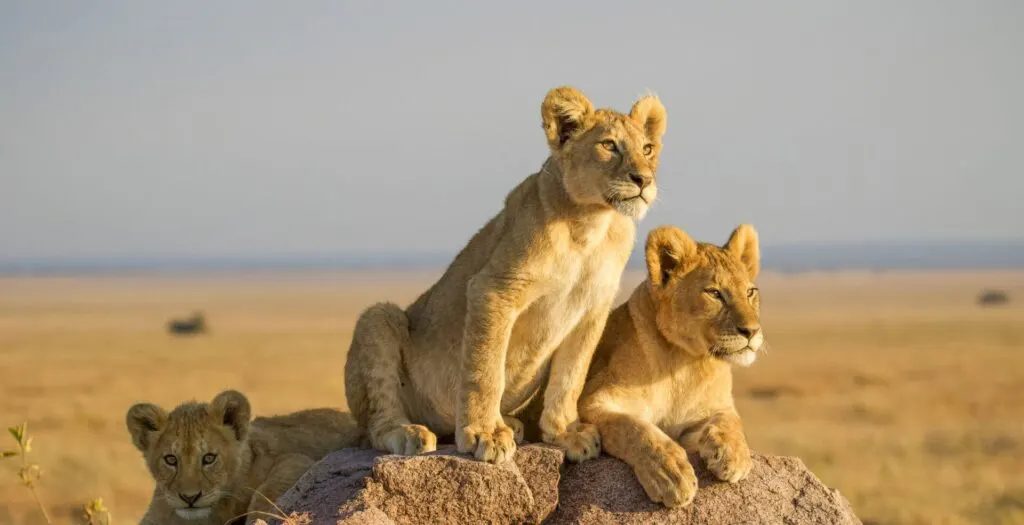
Is January a Good Time to Visit Tanzania?
Absolutely! January is the best time to visit Tanzania, especially if you prefer fewer crowds and better deals. Since it falls in the shoulder season, parks are less busy compared to peak months like July to September. You can also find more affordable accommodation options.
Weather-wise, January is part of the short dry season, meaning there’s minimal rainfall. However, it’s warmer than the long dry season, which may not suit everyone. (We’ll dive deeper into the weather conditions shortly.)
If you’re eager to witness incredible wildlife, January is a perfect time. This is the season of new life, with baby animals scattered across the plains.
Watching lion cubs play or young elephants follow their mothers is a heartwarming sight. With plenty of prey around, predators are highly active, making it one of the best months for spotting big cats.
This is just a brief look at what Tanzania in January has to offer. Keep reading as we break down everything you need to know, from weather conditions to top safari destinations and travel tips!
Weather in Tanzania in January
By the end of December, the short rainy season comes to an end, giving way to clear skies and plenty of sunshine. The once-dry landscapes transform into lush, green scenery, making January a stunning time to visit.
Since January falls in Tanzania’s short dry season, you can expect mostly sunny days with minimal rainfall. While occasional showers are possible, they are far lighter than the November-December short rains or the long rainy season in March and April.
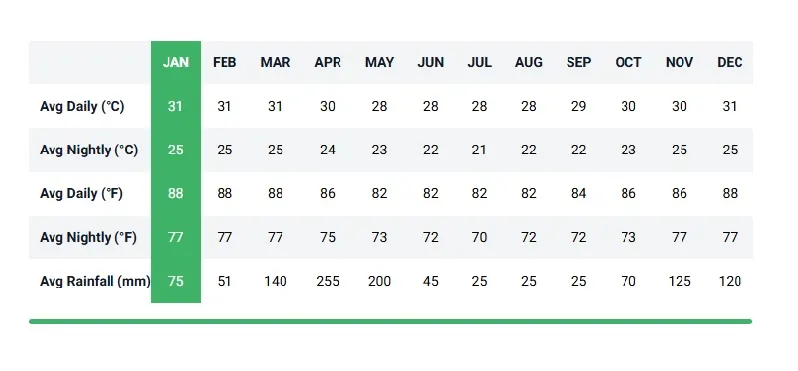
However, January and February are also the hottest months of the year in Tanzania. Temperatures vary depending on the region:
| Region | Daytime Temperatures | Nighttime Temperatures |
| Coastal Areas (Dar es Salaam, Zanzibar) | 28°C to 32°C (82°F to 90°F) | 23°C to 25°C (73°F to 77°F) |
| Northern Safari Circuit (Arusha, Serengeti, Ngorongoro) | 25°C to 28°C (77°F to 86°F) | 13°C to 20°C (55°F to 68°F) |
| Southern & Western Tanzania (Selous, Ruaha, Katavi) | 30°C to 35°C (86°F to 95°F) | 20°C to 25°C (68°F to 77°F) |
Even though this is the warmest period of the year, temperatures remain comfortable, especially in northern Tanzania where higher altitudes help keep things cool. If you’re visiting coastal areas or southern parks, expect hotter and more humid conditions.
Whether you’re planning a safari, beach escape, or Kilimanjaro trek, understanding the weather in Tanzania in January will help you prepare for an incredible adventure!
Is January a Good Time for a Safari in Tanzania?
YES! January is an excellent time for a safari in Tanzania, offering breathtaking wildlife encounters in some of the country’s most iconic national parks. The recent short rains (November–December) have left the landscapes lush and green, creating the perfect setting for calving season—a time when many animals give birth, including the famous wildebeest herds of the Serengeti.
While the foliage is thicker in January than during the long dry season (June–October)—which some say makes wildlife spotting slightly more challenging—this is not an issue in open plains like the Serengeti or Ngorongoro Crater, where vast landscapes provide unobstructed views of the animals.
One of the most remarkable wildlife spectacles in January is the start of the wildebeest calving season. Each day, thousands of wildebeest give birth on the southern plains of the Serengeti, primarily in the Ndutu region. Seeing newborn calves take their first wobbly steps—and then run within just a few days—is a heartwarming experience.
And it’s not just wildebeest! January is a season of new life, with zebras, gazelles, and even big cat cubs making their first appearances. Predators like lions and cheetahs thrive during this time, as the abundance of young prey makes hunting easier. This means that January offers fantastic chances to witness dramatic predator-prey interactions.
The Ngorongoro Crater is a year-round safari destination, as its resident wildlife does not migrate. Unlike other parks where animals may move seasonally, the dense wildlife population inside the crater remains consistent, making for incredible game viewing no matter the season. The open landscapes and limited vegetation mean that animals have few places to hide, so visitors can easily spot a variety of species, from the Big Five to large flocks of flamingos.
Many travelers assume that Tarangire National Park is only worth visiting during the long dry season (June–October) when massive migratory herds gather. However, January is still a great time to visit.
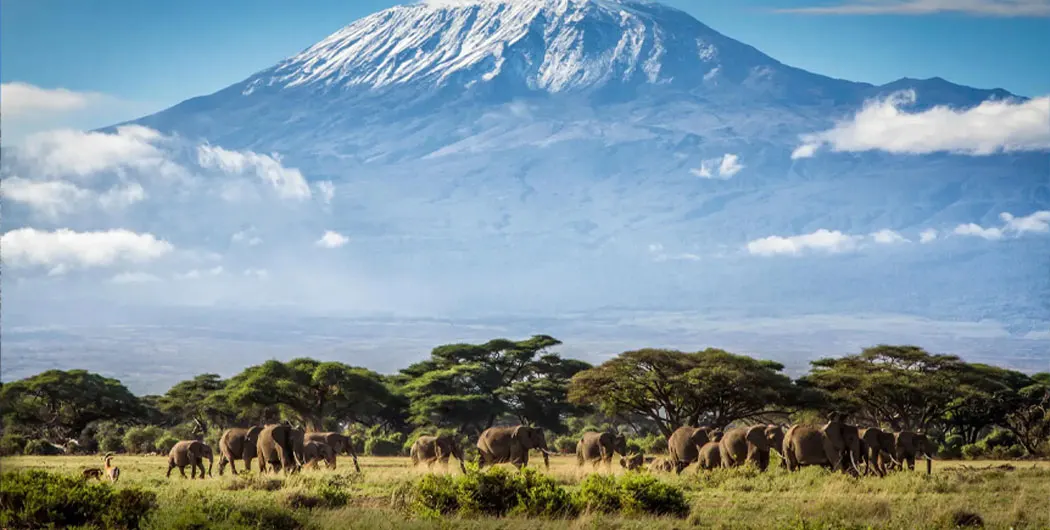
While some animals migrate, large numbers of wildlife remain, including Tarangire’s famous elephants.
In fact, this park is home to some of the largest elephant herds in East Africa, and sightings remain excellent even during the greener months. Visitors also have the chance to witness big cat activity, as lionesses hunting zebras have been spotted in January.
For those seeking the ultimate Tanzania safari experience in January, Serengeti Joy Tours offers expertly crafted itineraries that take you deep into the Serengeti, Ngorongoro Crater, and Tarangire National Park. With experienced guides, personalized service, and a commitment to unforgettable wildlife encounters, Serengeti Joy Tours makes sure that every safari is a once-in-a-lifetime adventure.
Have a look at our safari tours itineraries:
- Tanzania Luxury Safari
- Tanzania Lodge Safari
- Tanzania Camping Safari
- Tanzania Budget Safari
- Serengeti Migration Safari
Ready to witness the wonders of Tanzania in January? Book your safari with Serengeti Joy Tours.
Where is the Great Wildebeest Migration in January?
In January, the Great Wildebeest Migration is concentrated in the southern Serengeti, primarily in the Ndutu Plains, which extend into the Ngorongoro Conservation Area. This region becomes the gathering point for thousands of wildebeest as they enter the calving season, one of the most critical phases of their annual journey.
The lush green plains provide essential nutrients for the herds, supporting pregnant wildebeest and their newborns as they prepare for the long migration ahead.
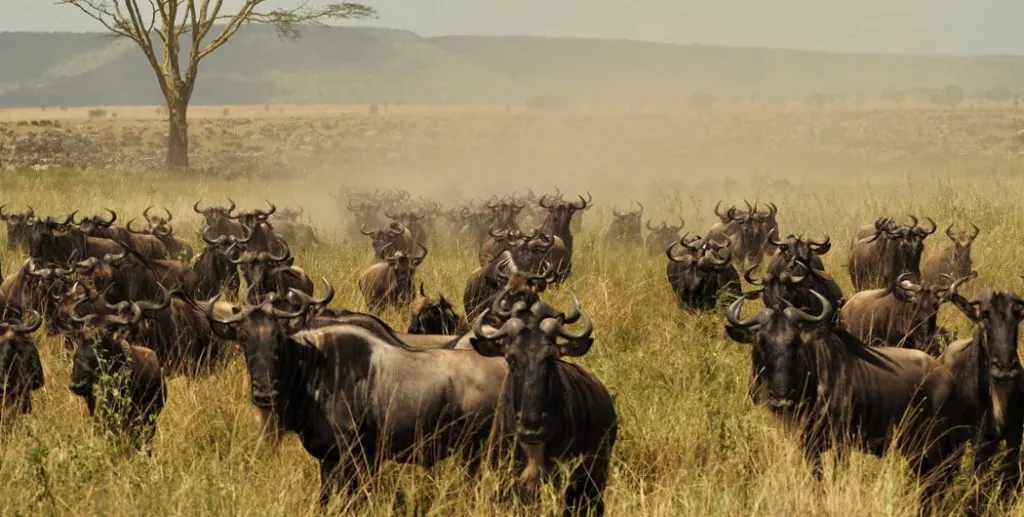
From mid-January to late February, the Ndutu region witnesses the birth of up to 8,000 wildebeest calves per day. Within minutes of being born, these calves must stand, and within a couple of days, they are running alongside their mothers—a crucial survival skill in a landscape teeming with predators.
With such an abundance of young animals, Tanzania’s top predators, including lions, cheetahs, hyenas, and leopards, are never far away. The presence of so many vulnerable calves makes this one of the best times of the year to witness dramatic predator-prey interactions, with hunting scenes unfolding across the open plains.
January offers a rare opportunity to observe the delicate balance of life in the Serengeti, as new beginnings and raw survival instincts shape the landscape.
Is January a Good Time to Visit Zanzibar?
Yes, January is the best time to visit Zanzibar!
While the peak dry season from June to October is traditionally seen as the best time to visit due to its consistently warm, dry weather, January offers many of the same advantages, with only slight variations.
The main difference is that January tends to be a bit hotter, and there’s a slightly higher chance of encountering brief rain showers compared to the dry season. However, rain in January is still relatively rare, with only about 7 to 8 days of rainfall on average, compared to the 5 days in the dry season. Therefore, the difference is minimal.
One of the advantages of visiting Zanzibar in January is that it falls within the shoulder season. This means fewer tourists compared to the peak months of June to October, giving you a more peaceful and tranquil experience.
Additionally, with fewer visitors, hotels often offer better rates, making it a great time to enjoy the destination without the crowds.
Zanzibar’s stunning white sand beaches and crystal-clear waters are often compared to the Maldives, and January’s favorable weather conditions make it the perfect time to soak in the beauty of the island.
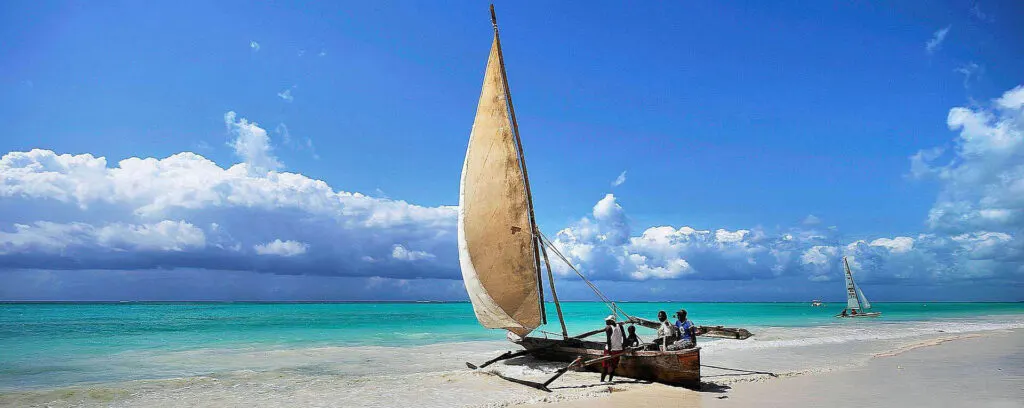
In January, the underwater visibility is exceptional, making it an ideal time for activities like snorkeling and scuba diving. The clarity of the water allows you to explore Zanzibar’s vibrant marine life with ease.
Temperatures in January are warm, with highs reaching 32°C (90°F) and lows around 24°C (75°F). The sea temperature is also inviting, sitting at a comfortable 28°C (83°F).
However, it’s worth noting that humidity levels can be quite high during this time, reaching around 77%.
If you’re planning a trip to Tanzania in January, consider incorporating a visit to Zanzibar into your itinerary. The combination of mainland Tanzania’s safaris and Zanzibar’s beaches makes for a perfect vacation.
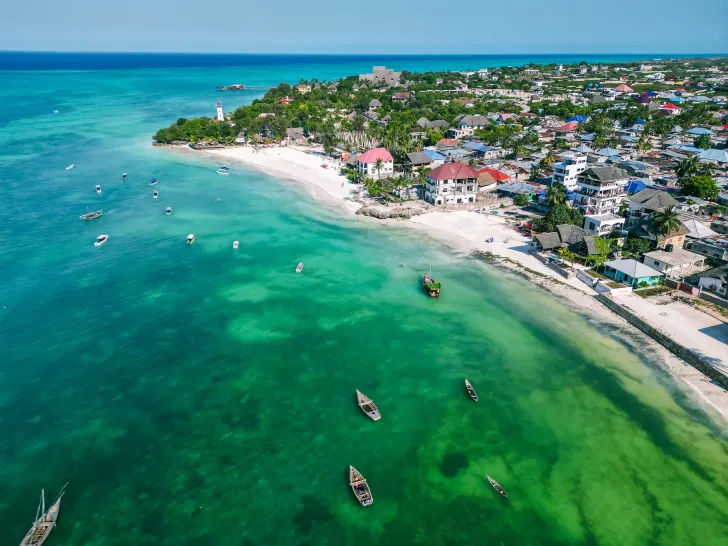
Here are our combine tour itineraries:
Is January a Good Time to Hike Kilimanjaro?
Yes, January is one of the best times to hike Kilimanjaro!
Along with February, January offers some of the warmest temperatures of the year, making it more comfortable for summiting. Expect clear skies and good visibility during the day, with a slight chance of rain in the late afternoon or evening. The chances of rain are much lower than in the previous months of November and December.
One major advantage of hiking in January is that it’s less crowded than the peak season (June to October), so you’ll avoid large groups on your trek.
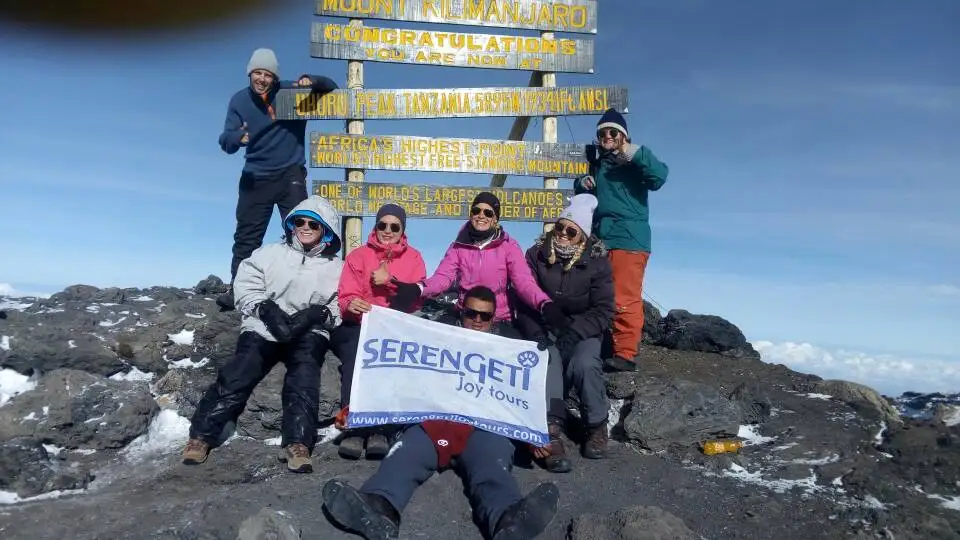
Typical Temperatures in Moshi, Kilimanjaro in January
| Location | Daytime Temperatures | Nighttime Temperatures |
| Moshi | 29°C – 34°C (84°F – 93°F) | 18°C – 21°C (64°F – 70°F) |
Is January a Good Time for Birdwatching in Tanzania?
Yes, January is an excellent time for birdwatching in Tanzania.
It is one of the best months for birding, as the country sees a mix of migratory birds and local species in their breeding season. This combination boosts the number of bird species to observe, with some regions seeing over 550 species.
In January, migratory birds from Europe and Asia arrive to escape the northern winter. At the same time, resident birds are in their breeding season, triggered by the short rains. This increases the variety of species in Tanzania, especially in the north.
Waterbirds are especially abundant in January. The short rains create temporary wetlands, attracting thousands of waterfowl, including pink-backed pelicans, yellow-billed storks, and heron species. Lake Manyara, famous for its flamingos, sees peak bird densities in January as the water recedes and food becomes more concentrated. This is also when great white pelicans and yellow-billed storks breed.
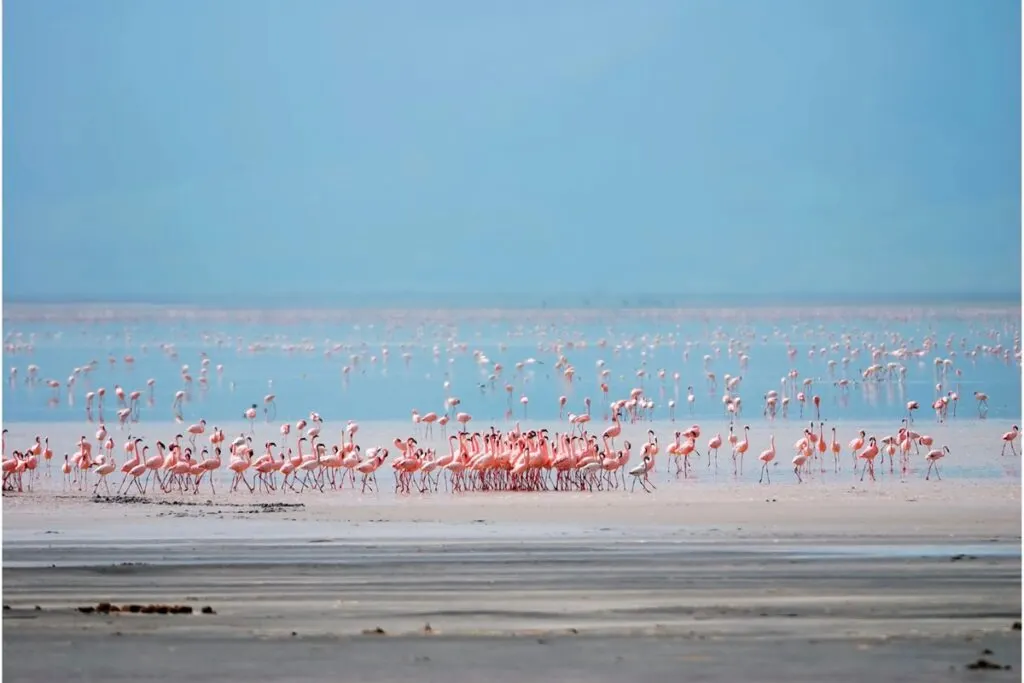
The Ngorongoro Crater is another great place for birdwatching in January. Its lakes and marshes host large numbers of lesser flamingos, Madagascar pond herons, and great crested grebes. The crater’s variety of habitats allows you to see forest, grassland, and waterbirds all in one day.
January also brings an increase in raptors, with migratory species like steppe eagles, pallid harriers, and Eurasian hobbies hunting on the Serengeti plains. These raptors are joined by resident species, including martial eagles and bateleurs, making this a great time for predator enthusiasts.
Forest birding also shines in January, especially in the Usambara and Eastern Arc mountain forests. Species like the Usambara eagle owl and Udzungwa forest partridge are more visible during this time due to breeding activity. The rain also brings an increase in insects, making forest birds easier to spot as they feed.
For photographers, January is ideal, as many birds display vibrant breeding plumage. The lush green landscape contrasts beautifully with these colorful species, and the light after rain showers is perfect for capturing bird details.
The coastal regions, including Saadani National Park and the Rufiji Delta, also offer excellent birding in January. These areas see large numbers of waders and tropical species, including crab plovers, sand plovers, and mangrove kingfishers.
Even regular safaris can enhance birdwatching in January. The Serengeti’s iconic acacia trees host rollers, bee-eaters, and hornbills. Secretary birds are also visible hunting for snakes and lizards, while larger ground birds like kori bustards become more noticeable.
Though occasional showers may briefly interrupt birdwatching, they often lead to increased bird activity. The lush vegetation can sometimes make it harder to spot some species, but it also concentrates many birds in observable trees. Most guides carry portable blinds to help with this.
Overall, January is an outstanding time for birdwatching in Tanzania, with plenty of opportunities for both casual birdwatchers and experienced ornithologists.
Events in Tanzania in January
January in Tanzania is filled with cultural festivals, traditional ceremonies, and special events. While not as commercialized as in other countries, these gatherings offer authentic insights into Tanzanian traditions.
Key Events in January:
- Wanyambo Festival (Mbeya Region) – Celebrates the Nyakyusa, Ndali, and Safwa cultures with traditional dances, music, and skills like pottery-making.
- Coastal & Zanzibar Maritime Celebrations – Fishing communities hold dhow sailing races, taraab music performances, and seafood feasts, often tied to the full moon.
- Mawlid Celebrations (if in January) – The Prophet Muhammad’s birthday is marked in Zanzibar and coastal towns with processions, lantern displays, and traditional drumming.
- Harvest Celebrations (Chagga, Iraqw, Hehe communities) – Centered around mbege (banana beer) and feasts, these events give thanks for successful harvests.
- Sauti za Busara Music Festival (Zanzibar, late January or February) – One of Africa’s top music festivals, featuring East African and continental performers.
- Kilimanjaro Marathon Preparations (Moshi) – Pre-race training, local runs, and community gatherings leading up to the February marathon.
- Wildlife & Calving Season (Serengeti) – Specialized safaris focusing on the wildebeest calving period, with expert talks and photography workshops.
- Conservation Awareness Events – Ngorongoro and Serengeti host educational days and fundraising events to highlight conservation efforts.
- Maasai & Datoga Ceremonies – Traditional warrior graduation (Eunoto) and age-set transitions, requiring respectful access.
- Epiphany Celebrations (January 6th) – Christian communities, especially around Lake Victoria, hold special services and processions.
- Tanzanite Festival (Arusha, late January) – A showcase of the world’s rarest gemstone, featuring exhibitions, cultural performances, and exclusive shopping.
- Urban Arts & Culture Events (Dar es Salaam, Arusha) – Art exhibitions, film screenings, and fashion showcases, particularly at Alliance Française and other cultural hubs.
These events provide visitors with a deeper cultural experience beyond safaris. Travelers can participate through local guides and lodges for a more immersive Tanzania adventure.
Costs of Visiting Tanzania in January
January is a great time to visit Tanzania with lower travel costs compared to peak season. Accommodation prices drop by 20-35% after the December holiday rush, making luxury lodges, mid-range hotels, and budget stays more affordable.
For example, a high-end safari lodge that charges $1,200 per night during peak months may reduce rates to around $800-900 in January. Safari packages also become more budget-friendly, with a 7-day northern circuit safari dropping from $4,500-5,500 per person to around $3,200-4,000. Southern and western parks like Ruaha and Katavi offer even bigger discounts, sometimes cutting rates by 40-50%.
Zanzibar hotels follow a similar pattern, with beachfront resorts lowering prices from $400-600 per night to around $250-350, often with added perks like free nights or room upgrades. Flights are also more affordable, with international fares dropping 15-25% outside the holiday season, while domestic flights see similar reductions.
Park fees remain unchanged year-round, meaning visitors should budget for fixed costs like Serengeti’s $80 per adult per day and Ngorongoro’s $90, including crater service fees.
Beyond direct cost savings, January offers added value through fewer crowds, personalized service, and complimentary experiences like bush breakfasts and cultural visits. Many properties provide discounts for extended stays, with 30-40% savings on bookings of five or more nights.
Specialized experiences, such as photographic safaris and Kilimanjaro climbs, also see price reductions of 10-20%, with some operators offering free equipment rental or extra acclimatization days. Car rentals drop by 15-25%, making self-drive safaris more affordable.
While most destinations offer lower prices, some exceptions exist. The Serengeti’s calving season in the Ndutu region attracts high demand, keeping accommodation rates elevated. Similarly, the Zanzibar Music Festival in late January or February can lead to price surges in specific areas. Despite these exceptions, January remains one of the best months to experience Tanzania at a reduced cost while enjoying excellent wildlife sightings and cultural events.
Best Places to Go on Safari in Tanzania in January
January is one of the best months for a safari in Tanzania, but some locations offer better wildlife viewing than others.
The Southern Serengeti, particularly the Ndutu Plains, is the top destination during this time. It is the peak of the Great Wildebeest Migration, with millions of wildebeest gathering in preparation for calving season.
By mid to late January, thousands of calves are born daily, attracting predators like lions, cheetahs, and hyenas, making it an excellent time for big cat sightings. Located in the Ngorongoro Conservation Area, Ndutu can be reached by a five-hour drive or a short flight from Arusha and fits well into a 5- to 10-day safari itinerary.
The Ngorongoro Crater, a UNESCO World Heritage Site, is another must-visit destination. This massive volcanic caldera is home to diverse wildlife, including the highest density of lions in the world. The open savannah attracts large numbers of herbivores like zebras, wildebeest, and gazelles, making it easier to spot predators.
Ngorongoro is also the best place in Tanzania to see the rare black rhino, with about 30 individuals residing in the crater. Unlike other safari locations, animals do not migrate away from the crater, ensuring excellent wildlife viewing year-round.
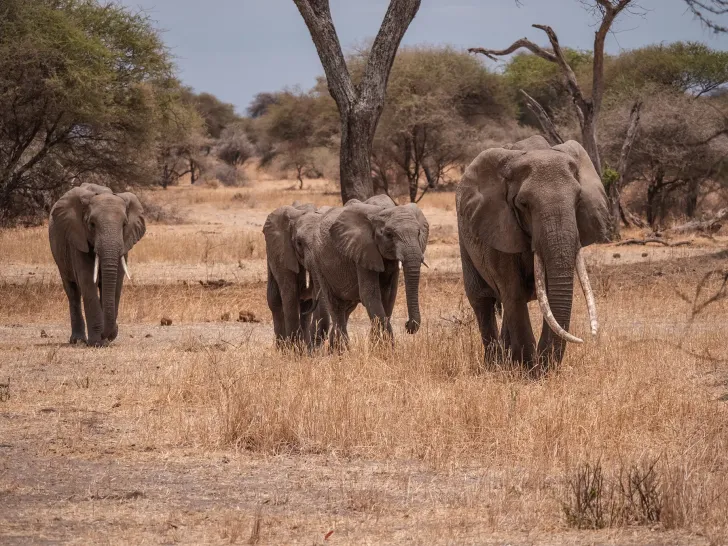
Tarangire National Park, often overlooked, is a fantastic year-round safari destination. While the park is more popular in the dry season when large migratory herds gather, many animals, including elephants, wildebeest, zebras, and buffalos, remain throughout the year.
The park’s lush, green vegetation in January enhances its beauty, and sightings of elephants, Tarangire’s most famous residents, are almost guaranteed. Predators like lions can also be spotted hunting, making Tarangire a great addition to any safari itinerary, regardless of the season.
Best Itineraries for Tanzania in January
While a three-day itinerary is possible in Tanzania due to its rich wildlife, a five-day or longer trip is ideal for a more immersive experience. If time and budget allow, a seven- to ten-day itinerary offers the best chance to explore multiple destinations.
Here are some recommended itineraries for visiting Tanzania in January.